
Injection Mold Materials: Which Offers the Best Cost-Performance?
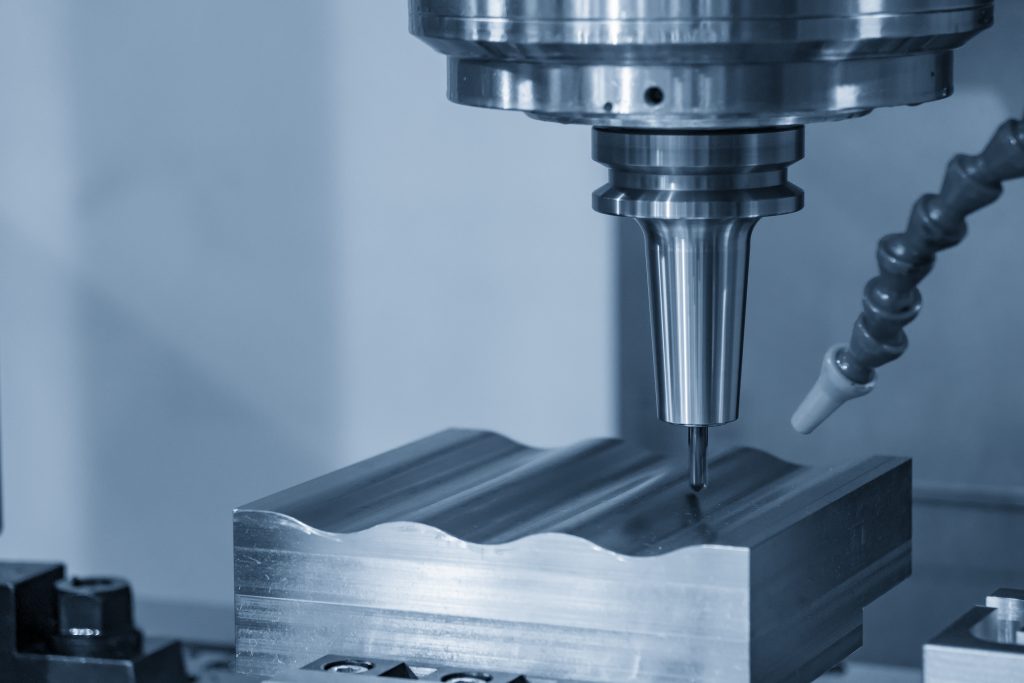
For injection mold factories, selecting the right material is a balancing act between upfront costs, production longevity, and product quality. The wrong choice can lead to frequent mold repairs, shortened lifespans, or inflated expenses—while the optimal material maximizes output without unnecessary investment. Below is a breakdown of the most common injection mold materials, their cost-performance profiles, and guidance for factory-specific applications.
Key Factors Defining Cost-Performance for Mold Factories
Before diving into materials, it’s critical to align selections with three factory priorities:
- Production Volume: A mold for 10,000 units requires different durability than one for 1 million units.
- Plastic Type: Corrosive resins (e.g., PVC) or fiber-reinforced plastics (e.g., PA+GF) demand specialized materials.
- Processing Efficiency: Pre-hardened materials eliminate post-machining heat treatment, cutting lead times for busy factories.
Industry benchmarks from the American Mold Builders Association (AMBA) show that material costs typically account for 15-30% of total mold expenses, but poor material choices can increase overall production costs by 40% due to downtime and replacements.
5 Common Injection Mold Materials: Cost-Performance Breakdown
1. P20 Steel – The Budget Workhorse for Low-to-Medium Volume
Core Properties: A pre-hardened steel (30-35 HRC) with good machinability and moderate wear resistance. It requires no post-processing heat treatment, making it ideal for fast-turnaround projects.
Cost:
1.00–
1.50 per kg (domestic) or
1.80–
2.20 per kg (imported).
Lifespan: 100,000–300,000 cycles.
Best For: Injection mold factories producing everyday items—toy casings, bottle caps, or simple parts—using non-corrosive plastics like PP or ABS.
Limitations: Unsuitable for fiber-reinforced resins or high-gloss products; prone to rust with PVC unless coated.
2. 718H Steel – P20’s Upgrade for Precision and Longevity
Core Properties: A modified P20 with added nickel, offering higher hardness (35-40 HRC), better polishability (#6000–#8000 grit), and improved resistance to deformation.
Cost:
1.50–
2.20 per kg (domestic) or
2.50–
3.00 per kg (imported).
Lifespan: 300,000–500,000 cycles.
Best For: Factories manufacturing automotive interior parts, electronic enclosures, or PC/ABS components requiring consistent dimensional accuracy. Its extended lifespan offsets the 30% higher cost vs. P20 for medium-volume runs.
Pro Tip: Pair with CNC machining centers for complex cavities—718H’s uniform hardness reduces tool wear during EDM processing.
3. NAK80 Steel – High Gloss Without Heat Treatment
Core Properties: A pre-hardened mirror steel (40-42 HRC) that polishes to #10,000–#15,000 grit (Ra ≤ 0.01 μm), eliminating the need for post-machining heat treatment.
Cost:
3.00–
4.00 per kg (domestic) or
4.50–
5.50 per kg (imported).
Lifespan: 500,000–1,000,000 cycles.
Best For: Factories producing high-aesthetic products—cosmetic packaging, automotive chrome trims, or optical lenses—where surface finish is non-negotiable.
Cost-Performance Edge: Avoids heat treatment costs (up to $500 per mold) and reduces rework, making it cost-effective for long runs of glossy parts.
4. H13 Steel – The Heavy-Duty Choice for Extreme Conditions
Core Properties: A hot-work steel (48-52 HRC after heat treatment) with exceptional thermal fatigue resistance, enduring 500–600°C temperatures without cracking.
Cost:
2.00–
3.50 per kg (domestic) or
5.00–
10.00 per kg (imported).
Lifespan: 1,000,000+ cycles for standard plastics; 500,000+ for fiber-reinforced resins.
Best For: Injection mold factories specializing in high-temperature engineering plastics (PEEK, LCP) or high-volume automotive parts (battery housings, engine components).
Authority Backing: Meets ISO 4957 standards for hot-work tool steels, ensuring reliability in continuous production environments.
5. S136 Steel – Corrosion Resistance for Specialized Markets
Core Properties: A stainless steel (48-52 HRC after heat treatment) with 13.6% chromium, offering superior corrosion resistance and polishability (#8000–#12,000 grit).
Cost:
3.50–
5.00 per kg (domestic) or
6.00–
8.00 per kg (imported).
Lifespan: 500,000–1,000,000 cycles (even with corrosive plastics).
Best For: Factories serving medical (syringes, dialysis parts) or food packaging industries, where contact with PVC, acids, or sanitizers is unavoidable.
Regulatory Compliance: Complies with FDA standards for food-contact materials, a must for medical injection mold factories.
Which Material Delivers the Best Cost-Performance?
The answer hinges on your factory’s niche:
- Low-Volume, Low-Cost Production: P20 steel is unbeatable. For 100,000-cycle toy molds, its 1.20/kgcostvs.718H’s
1.80/kg saves 33% per mold.
- Medium-Volume Precision Parts: 718H strikes the balance. A 400,000-cycle automotive interior mold costs 200moreupfrontthanP20butavoids
1,500 in replacement costs.
- High-Volume Glossy/Specialized Products: NAK80 (gloss) or S136 (corrosion) are worth the premium. A 800,000-cycle cosmetic mold using NAK80 costs 500morethan718Hbuteliminates
3,000 in polishing and rework fees.
- Extreme Conditions: H13 is non-negotiable. For 1.2 million-cycle PEEK medical parts, imported H13’s 8.00/kgcostprevents10+moldreplacements(saving
10,000+).
Expert Tips for Injection Mold Factories
- Opt for Hybrid Designs: Use high-cost materials only where needed—e.g., S136 cavity inserts with P20 mold bases for PVC parts.
- Leverage Material Certifications: Source ISO 4957-compliant steels to avoid quality inconsistencies, as recommended by The Mold Making Technology Magazine.
- Factor in Processing Costs: Pre-hardened materials (P20, NAK80) reduce lead times by 20–30%, critical for meeting tight client deadlines.
- Partner with Reliable Suppliers: Reputable vendors like SSAB (a global leader in tool steels) provide material traceability, reducing defect risks.
Final Verdict
There’s no one-size-fits-all “best” material—only the best fit for your factory’s production goals. Injection mold factories should prioritize total cost of ownership over upfront price: a slightly pricier material often cuts long-term expenses through fewer replacements, less rework, and faster production. By aligning material selection with volume, plastic type, and product requirements, you’ll maximize profitability while delivering consistent quality.