
Common Mold Making Materials: Which Offers the Best Cost-Effectiveness?
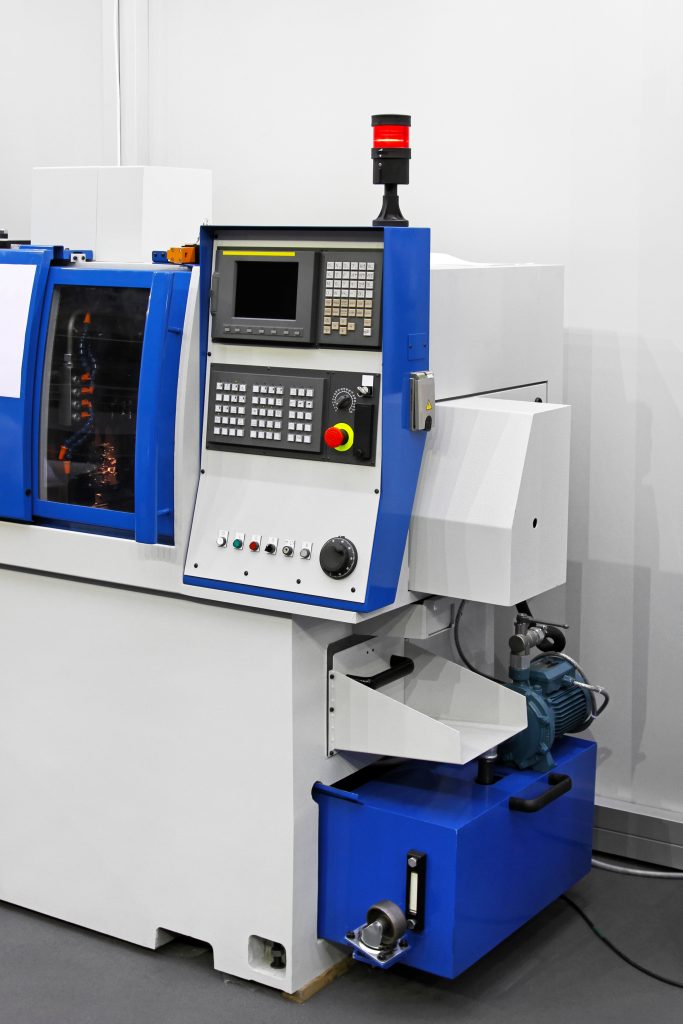
For manufacturers seeking a custom mold manufacturer, choosing the right material is a make-or-break decision—balancing upfront costs, durability, and production efficiency directly impacts long-term profitability. With options ranging from standard steels to advanced alloys, navigating the landscape can be overwhelming. This guide breaks down the most widely u
se mold materials, their performance metrics, and which delivers the strongest return on investment, backed by industry data and expert insights.
Key Factors Defining Mold Material Value
Before diving into specific materials, it’s critical to align selection with your project needs. Leading precision mold suppliers prioritize three core criteria:
- Cycle Life: Number of production runs the mold can withstand before wear affects quality.
- Machinability: Ease of CNC processing, which reduces manufacturing lead times.
- Total Cost of Ownership (TCO): Upfront material costs plus maintenance, repair, and replacement expenses over the mold’s lifespan.
As noted in Plastics Technology, TCO often matters more than initial price—opting for cheap materials can increase costs by 40% due to frequent replacements.
A Deep Dive Into Popular Mold Materials
1. Pre-Hardened Steel (e.g., P20, 718H)
The workhorse of the industry, pre-hardened steel (28-35 HRC) strikes a balance for general-purpose molds.
- Best For: Medium-volume production, consumer electronics casings, and automotive interior parts.
- Limitations: Not suitable for high-temperature resins (e.g., PEEK) or abrasive fillers like glass fiber.
2. H13 Hot Work Steel
A go-to for high-temperature mold applications, H13 (42-48 HRC) resists thermal fatigue and corrosion.
- Performance: Withstands 100,000-1,000,000 cycles; compatible with nylon, PBT, and high-heat plastics.
- Best For: Automotive underhood components, electrical connectors, and mold inserts for die casting.
3. Stainless Steel (e.g., 420, S136)
Stainless steel excels in hygiene-critical and high-precision scenarios.
- Performance: 100,000-1,500,000 cycles; offers superior surface finish (Ra < 0.2μm).
- Best For: Medical devices, food packaging molds, and transparent plastic parts (e.g., lens covers).
4. Aluminum Alloys (e.g., 7075, 6061)
Aluminum is the lightweight, low-cost option for short-run production.
- Performance: 10,000-50,000 cycles; fast heat dissipation cuts cooling time by 30%.
- Best For: Prototyping, low-volume consumer goods, and plastic toys.
- Tradeoff: Prone to wear with abrasive resins—requires frequent maintenance.
5. Metal Injection Molding (MIM) Alloys
Emerging as a high-value choice for complex molds, MIM combines metal powder with binders for near-net-shape production.
- Performance: 500,000-2,000,000 cycles; supports intricate geometries.
- Best For: Micro-molds (e.g., 5G connectors), watch components, and high-precision automotive parts.
Which Material Delivers the Best Cost-Effectiveness?
The answer hinges on production volume and application:
- Low Volume (00 cycles): Aluminum offers 40% lower TCO than steel, ideal for startups and prototyping.
- Medium Volume (50,000-500,000 cycles): Pre-hardened steel (P20) is the sweet spot—balancing cost and durability for most consumer products.
- High Volume (>500,000 cycles): H13 or stainless steel (S136) reduces long-term costs; MIM alloys lead for complex, high-value parts.
For context, a 718H pre-hardened steel mold for a smartphone case costs 1,200 in savings over 50,000 cycles (case study from RJG Inc.).
2,000upfrontbutlasts3xlongerthanaluminum,resultingin
Tips for Collaborating With Mold Manufacturers
When vetting a reliable mold maker, share these details to ensure material optimization:
- Production volume and expected mold lifespan
- Resin type (including fillers and heat requirements)
- Surface finish and tolerance needs (e.g., ±0.005mm)
- Regulatory standards (FDA for food contact, ISO 13485 for medical)
Reputable manufacturers like Proto Labs and Fast Radius offer material selection tools to align your project with cost-effective options.
Final Takeaway
There’s no one-size-fits-all “best” material—cost-effectiveness depends on matching performance to your specific use case. For most manufacturers, pre-hardened steel delivers the strongest balance of upfront cost and longevity. For high-heat or precision applications, H13 or stainless steel justifies the premium, while aluminum shines for short runs. As Manufacturing.net emphasizes, partnering with an experienced custom mold manufacturer to audit your needs will maximize material value and avoid costly missteps.