
Injection Molds vs. Stamping Molds: How to Choose for Your Product Needs?
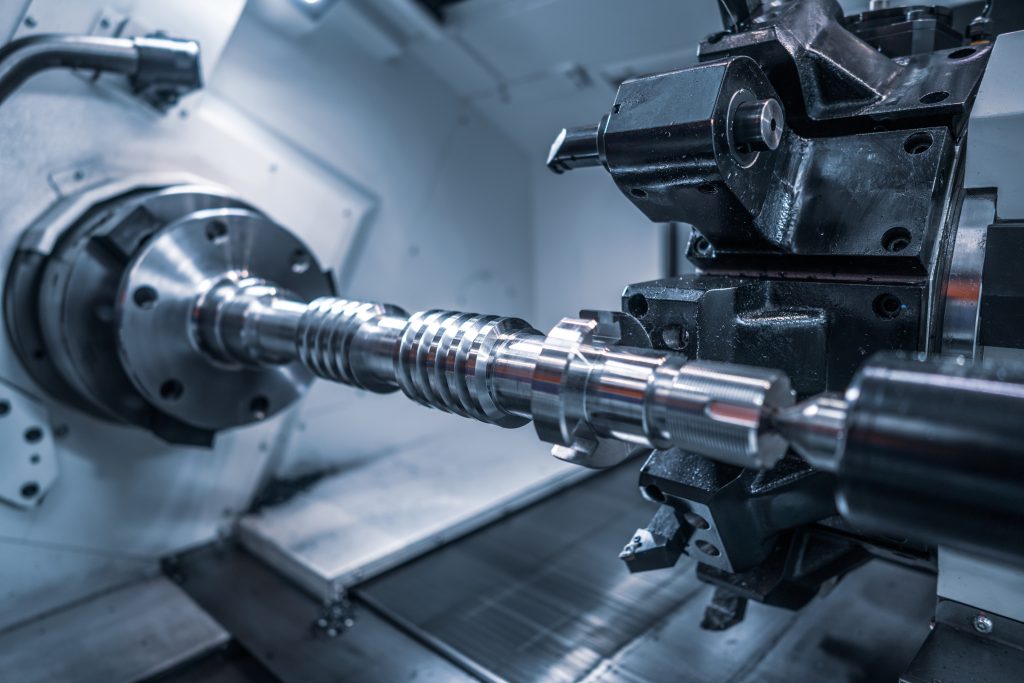
For manufacturers across Europe, North America, and global markets, selecting the right mold technology directly impacts production efficiency, product quality, and long-term costs. Injection molding and stamping are two dominant processes—each excelling in specific applications, from automotive components to consumer goods. This guide breaks down their key differences, industry use cases, and decision-making frameworks, with insights tailored to meet the standards and needs of Western manufacturing operations.
Core Differences: Process & Fundamentals
Before diving into selection, it’s critical to understand how each technology operates and its inherent capabilities.
Injection Molding
Injection molding shapes molten material (typically thermoplastics like ABS or polypropylene) by forcing it into a precision-machined cavity, where it cools and solidifies. The process is ideal for complex geometries and tight tolerances, as highlighted by the American Society of Mechanical Engineers (ASME), which notes its ability to produce parts with integrated features like threads or ribs in a single cycle. Leading manufacturers like INglass, with facilities in the U.S. and France, specialize in high-precision injection molds for industries like automotive lighting and medical devices, leveraging technologies such as SLM (Selective Laser Melting) for advanced cooling systems.
Stamping Molds
Stamping uses mechanical force to shape or cut sheet materials (most commonly metal, but also plastics or composites) using dies. Processes include blanking, bending, and deep drawing—all performed at high speeds. The Precision Metalforming Association (PMA) emphasizes stamping’s advantages in high-volume metal parts, where it delivers consistent results with minimal material waste. For example, automotive manufacturers rely on stamping for body panels, as the process can produce thousands of identical parts per hour.
Key Decision Factors for Global Manufacturers
The choice between injection and stamping hinges on four critical criteria—align these with your product specs and production goals to avoid costly missteps.
1. Material Type & Properties
- Stamping: Excels with sheet materials (metal: aluminum, steel; non-metal: cardboard, rubber). For high-strength metal components like automotive brackets, stamping outperforms injection molding in durability and cost per unit. The European Association of Metalforming (CEFIC) provides standards for stamping materials in EU markets.
2. Part Complexity & Geometry
- Choose Injection Molding If: Your part has undercuts, hollow sections, or intricate details. For instance, medical syringes (requiring sterile, complex cavities) or cosmetic packaging (with fine surface textures) rely on this process. ToolingU-SME offers design best practices to maximize mold efficiency.
- Choose Stamping If: Your part is flat, has simple bends, or requires punching/cutting. Examples include electrical connectors or metal washers—parts where speed and simplicity take priority over complex features.
3. Production Volume & Cost Scaling
Cost dynamics shift dramatically with volume, a key consideration for North American and European manufacturers managing tight budgets:
4. Tolerance & Quality Requirements
- Injection Molding: Achieves tighter tolerances (typically ±0.005–0.02 mm) for precision parts like medical devices. Compliance with ISO 286 (geometric tolerances) is standard for global suppliers.
- Stamping: Meets tolerances of ±0.02–0.1 mm for most applications. For critical components like aerospace fasteners, advanced stamping dies (e.g., progressive dies) can reach tighter specs—verify with ASME B89.1.13M standards.
Industry-Specific Use Cases (EU & NA Focus)
Automotive & EVs
- Injection Molding: Used for interior trim, battery enclosures, and lightweight PC windows (via technologies like INglass’s Glazing mold system).
- Stamping: Produces chassis components, door panels, and heat shields. Major U.S. automakers source stamping dies from suppliers certified by IATF 16949, the global automotive quality standard.
Medical Devices
- Injection Molding: Mandatory for sterile plastic parts (syringes, implant housings) due to its ability to maintain biocompatibility. Ensure compliance with FDA 21 CFR Part 820 (U.S.) or EU MDR (Europe).
- Stamping: Rarely used here, except for metal components like surgical instrument blades.
Consumer Goods
- Injection Molding: Dominates for plastic products (phone cases, kitchen utensils). Procter & Gamble’s Packaging Guide recommends it for complex, branded packaging.
- Stamping: Used for metal goods (cans, cutlery) and simple plastic parts (toy components).
Final Selection Checklist
Use this framework to align your choice with global manufacturing standards:
- Confirm material compatibility (plastics → injection; sheet metal → stamping).
- Match part complexity to process capabilities (intricate → injection; simple → stamping).
- Model costs at your target volume (use tools from PMA or Manufacturing Technology Insights).
- Verify compliance with regional standards (ISO for injection; IATF for automotive stamping).
- Partner with certified suppliers: For injection molding, look for ISO 9001:2015 certification; for stamping, check PMA membership.
Why Partner with Chinese Mold Manufacturers?
Chinese factories, often overlooked, bring significant value to Western supply chains:
- Precision at Scale: Leading facilities use German CNC machines and follow ASME/ISO standards.
- Cost Efficiency: Lower tooling costs (30–50% vs. Western suppliers) without sacrificing quality.
- Global Support: Many, like INglass’s Chinese subsidiary, offer local technical support in Europe and North America.
For help sourcing compliant suppliers, visit the China Chamber of Commerce for Import and Export of Machinery and Electronic Products (CCCME) directory.
By aligning your choice with these factors, you’ll select a mold technology that delivers consistency, cost savings, and compliance—whether you’re producing 10,000 plastic gears or 1 million metal brackets. For more detailed design support, consult ToolingCloud’s Global Mold Database, which aggregates specs from leading manufacturers worldwide.